
Concrete Trenching in Indianapolis for running plumbing, electrical conduit, and drainage lines below existing slabs
Cutting Channels Through Concrete for Utility Access
Elite Concrete Cutting LLC cuts trenches through concrete slabs and floors for plumbers, electricians, and site contractors in Indianapolis who need to install underground utilities without tearing out entire sections of pavement. You may be adding a new water line to a detached garage, routing electrical conduit across a warehouse floor, or installing French drains beneath a driveway that pools water after every storm.
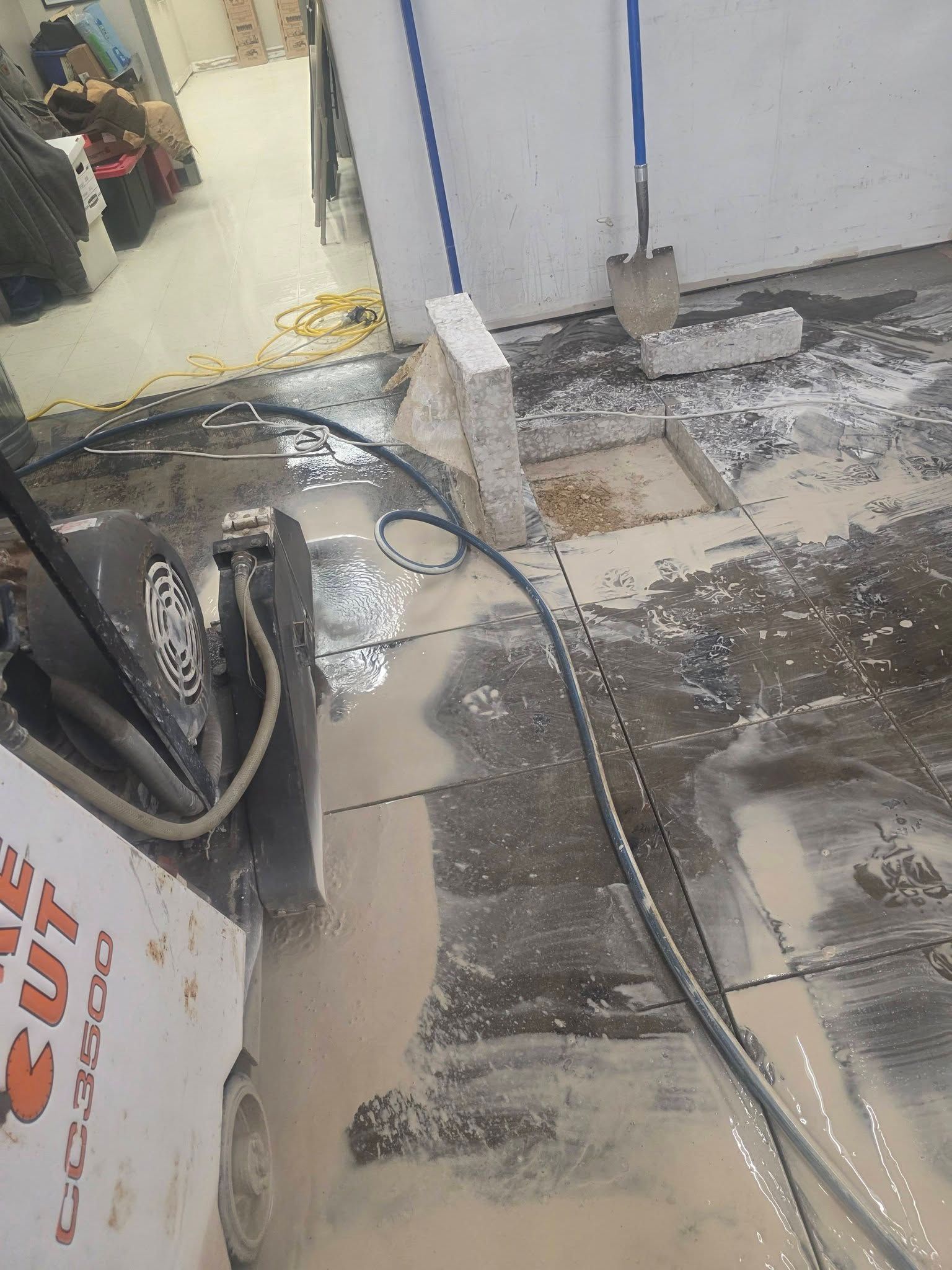
This service involves making parallel saw cuts to define the trench width, then breaking out the material between the cuts and excavating the subgrade to the required depth. The resulting trench provides a clean, straight pathway for pipe, conduit, or drainage stone, with minimal disturbance to the surrounding concrete. The work is suitable for interior slabs, exterior pavements, and commercial floors where access must be maintained during construction.
If your project depends on running utilities beneath existing concrete without replacing the entire slab, contact Elite Concrete Cutting LLC to coordinate trench dimensions and excavation depth with your installer.
Straight Cuts That Simplify Pipe and Conduit Installation
Trenching starts with locating existing utilities and marking the trench path based on the layout provided by your plumber or electrician. A walk-behind saw makes two parallel cuts, and the concrete between them is removed using a jackhammer or hydraulic breaker, followed by excavation of soil or subbase to the depth specified for the utility line.
After the trench is cut and cleared, you will see a narrow channel ready for pipe installation, with straight edges that make it easy to lay conduit or drainage stone without fighting jagged breaks or uneven depth. Elite Concrete Cutting LLC removes the broken concrete and excavated material, leaving the trench clean and ready for the next trade.
The service includes cutting, breaking, and excavating the trench, but does not include backfilling, compacting, or pouring concrete patches unless coordinated separately. If the trench crosses a reinforced slab or post-tensioned deck, additional planning is required to avoid cutting through structural steel.
Questions About Trenching Through Concrete Slabs
Cutting a trench raises practical concerns about depth, width, and what happens to the concrete and soil that are removed.
What width trench do you need for different utilities?
Plumbing and electrical conduit typically require trenches four to six inches wide, while larger drainage lines or bundled utilities may need eight to twelve inches of clearance.
How deep can a trench be cut without compromising the slab?
Depth depends on slab thickness and subgrade stability, but most residential trenches run six to twelve inches below the bottom of the slab without causing structural issues.
Why is saw cutting preferred over jackhammering the entire trench?
Sawing creates clean, controlled edges that prevent cracking beyond the trench line, while jackhammering alone often fractures adjacent concrete unpredictably.
When should you trench instead of coring through a slab?
Trenching is used for long runs that cross large areas, while coring is better for single penetrations or vertical pipe drops through floors.
How does soil type in Indianapolis affect trenching work?
Clay-heavy soils hold moisture and can slow excavation, while sandy or gravelly subgrades drain quickly and are easier to dig but may require more careful shoring to prevent collapse during pipe installation.
Elite Concrete Cutting LLC works directly with plumbers, electricians, and drainage contractors to ensure trench dimensions and depths match installation requirements, reducing delays and rework on multi-trade projects.