Excavation for Concrete Projects in Indianapolis for removing soil, subbase, and debris before driveways, slabs, and foundations are poured
Preparing Ground for New Concrete Installations
Elite Concrete Cutting LLC provides excavation services for builders, contractors, and property owners in Indianapolis who need to clear and grade sites before pouring driveways, garage floors, or foundation slabs. You may be starting a new home build that requires removing topsoil and leveling the pad, replacing a failed driveway where the base has settled unevenly, or preparing a commercial lot for a large slab pour that demands precise depth control and compaction.
This service involves using skid steers, excavators, and compactors to remove soil or broken concrete, establish the correct subgrade elevation, and create a stable base for formwork and rebar placement. The depth and extent of excavation are determined by the project specifications, soil type, and whether existing concrete or utilities must be worked around. Excavation often coordinates with concrete cutting and demolition work to streamline site preparation.
If your project requires site excavation before concrete work begins, contact Elite Concrete Cutting LLC to assess soil conditions and schedule the work around your construction timeline.
Controlled Digging That Protects Adjacent Structures
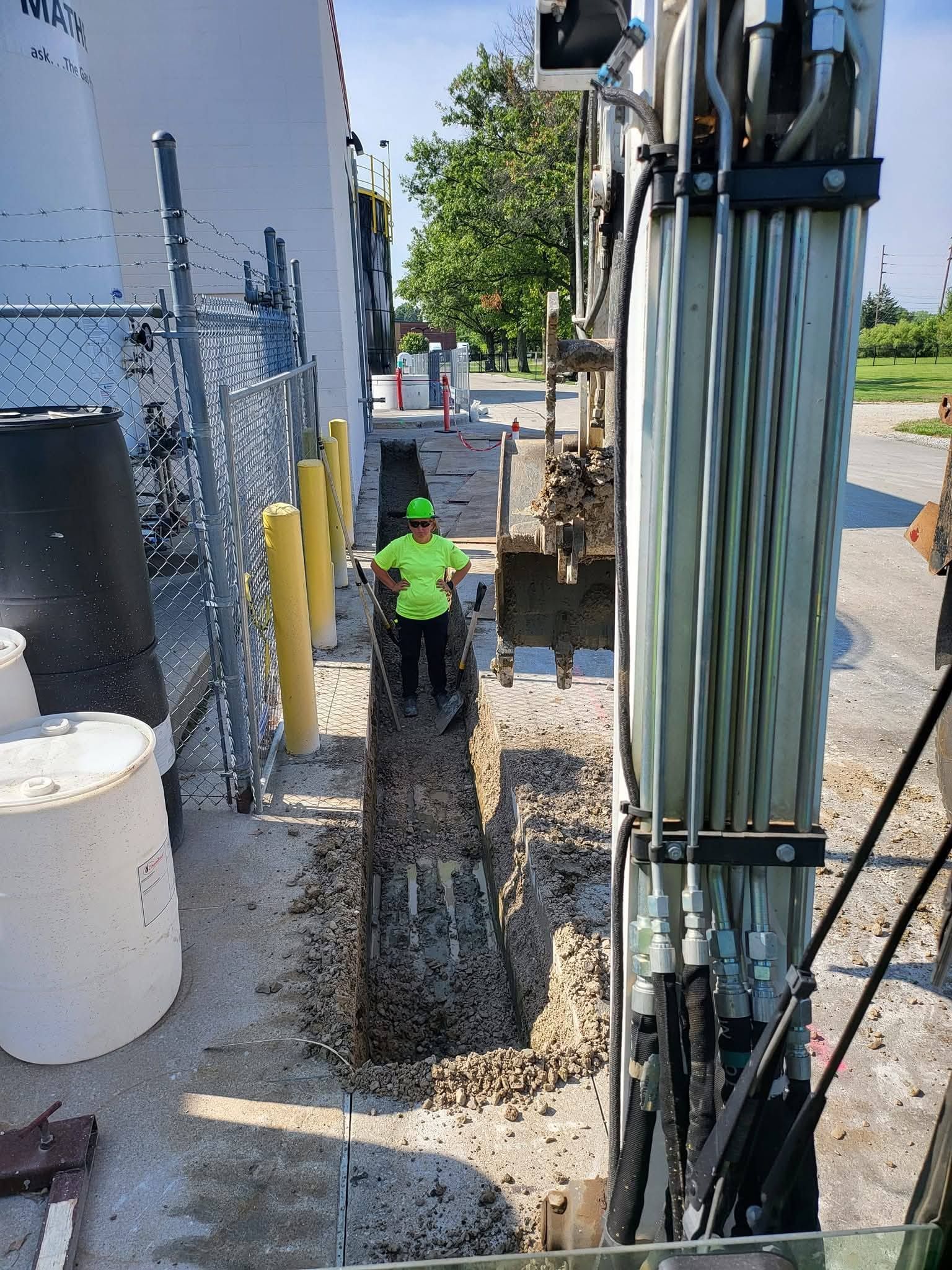
Excavation starts with marking utility lines, property boundaries, and the limits of the dig area. Equipment is selected based on site access, depth requirements, and proximity to existing structures, with smaller machines used near foundations or landscaping and larger excavators handling open areas or deep cuts.
After excavation is complete, you will see a level, compacted subgrade at the elevation specified in your plans, with soil stockpiled for backfill or hauled away depending on project needs. Elite Concrete Cutting LLC coordinates debris removal and ensures the site is ready for the concrete contractor to set forms and begin pouring.
The service includes digging, grading, and basic compaction, but does not include formwork, rebar placement, or pouring concrete. If the project involves deep footings, extensive backfill, or engineered fill material, those tasks may require additional planning and coordination with a geotechnical engineer or soils specialist.
Common Questions About Excavation for Concrete Work
Excavation raises questions about depth, soil handling, and how the work fits into the larger construction sequence.
What depth of excavation is typical for a residential driveway?
Most driveways require removing six to eight inches of topsoil to allow for four inches of gravel base and four inches of concrete, though depth varies based on soil type and drainage needs.
How is excavated soil managed during the project?
Soil can be stockpiled on-site for backfill or grading, or hauled away if it is unsuitable for reuse or if the site lacks space for temporary storage.
Why does soil type affect excavation cost and timeline?
Clay soils are harder to dig and slower to dry, while sandy soils excavate quickly but may require more compaction effort to achieve stable subgrade density.
When should excavation be scheduled relative to other trades?
Excavation typically happens after utility rough-ins are complete but before concrete forms are set, allowing time to adjust grades without damaging finished work.
How do wet conditions in Indianapolis impact excavation work?
Rain can turn excavated areas into mud, making compaction difficult and delaying concrete pours, so scheduling often shifts to drier weather or includes temporary drainage measures to keep the site workable.
Elite Concrete Cutting LLC coordinates excavation with concrete cutting, demolition, and utility installation to keep your project moving without delays or rework.