Flat Sawing (Slab Sawing) in Indianapolis for removing damaged concrete and creating expansion joints in floors and pavement
Cutting Horizontal Surfaces With Control and Accuracy
Elite Concrete Cutting LLC offers flat sawing services to property owners, contractors, and facility managers throughout Indianapolis who need to cut through concrete floors, driveways, parking lots, or other horizontal surfaces. When you need to remove a section of cracked warehouse floor, cut control joints into a newly poured slab, or trench through pavement to access underground utilities, flat sawing provides the precision and speed required to handle thick, reinforced concrete without unnecessary damage to surrounding areas. This method is used in remodeling projects, demolition preparation, and roadwork where clean, straight cuts are required.
Flat sawing uses a self-propelled walk-behind saw equipped with a diamond blade that cuts vertically into the horizontal surface. The saw is guided along a marked line, and the blade is lowered incrementally to reach the desired depth, which can range from a shallow scoring cut to full-depth penetration through slabs up to 24 inches thick. Water is continuously applied to the blade to control dust and prevent overheating, and the slurry is managed on site to keep the work area safe and the cut line visible throughout the process.
If your project involves cutting or removing concrete floors or pavement, contact Elite Concrete Cutting LLC to discuss the scope and site conditions before scheduling the work.
Why Flat Sawing Is the Standard for Slab Work
Your project begins with marking the cut lines on the surface using chalk or paint, then positioning the saw and setting the blade depth based on the thickness of the slab and the presence of any embedded rebar or wire mesh. The saw moves forward along the marked path as the blade cuts downward, producing a straight, smooth-edged cut that can be used for joint creation, slab removal, or utility trenching. For deep cuts or thick slabs, multiple passes at increasing depths may be required to reach full penetration without overloading the blade.
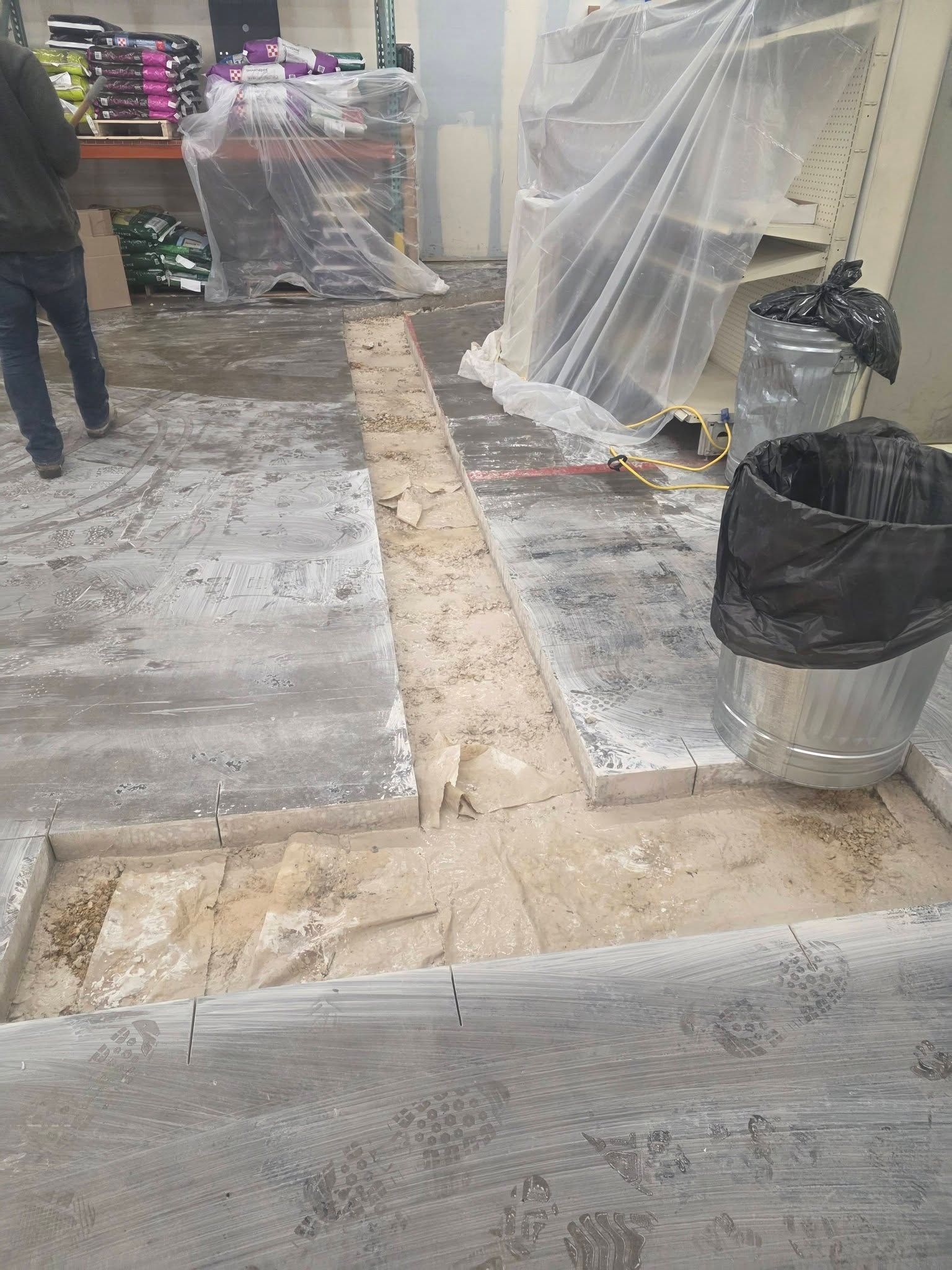
Once the cutting is finished, you will see a clean separation between the sections of concrete, with no jagged edges or stress cracks radiating from the cut line. The removed sections can then be broken out and hauled away, or the cut itself may serve as a control joint to prevent random cracking as the slab settles or shifts. Elite Concrete Cutting LLC ensures that the depth and alignment of each cut meet the specifications for your project, whether you are preparing for demolition, installing underground piping, or repairing damaged pavement.
Flat sawing does not include removal of the cut concrete, backfilling of trenches, or resurfacing of pavement, which are handled separately depending on the scope of your project. The equipment requires access for the saw to move freely along the cut line, so obstacles such as walls, curbs, or overhead clearance must be considered during planning. This method works well for commercial facilities, municipal roadwork, residential driveways, and any project where horizontal concrete cutting is needed.
Common Questions About Slab Sawing
Flat sawing projects often raise questions about timing, depth capabilities, and site conditions, especially when working on active job sites in Indianapolis.
What is the maximum depth a flat saw can cut?
Most walk-behind flat saws can cut up to 12 inches deep in a single pass using standard blades, though larger saws with extended blade guards can reach depths of 24 inches or more. Deeper cuts may require multiple passes or specialized equipment.
How soon after pouring can you cut control joints in new concrete?
Control joints should be cut within 6 to 18 hours after the concrete is poured, once the surface is hard enough to support the weight of the saw but before internal stresses cause random cracking. Timing depends on mix design, temperature, and curing conditions.
Why does the saw use water during cutting?
Water cools the diamond blade, reduces airborne concrete dust, and helps flush debris from the cut line to maintain cutting efficiency. The water is typically collected or allowed to drain in a controlled manner to prevent site contamination.
When should flat sawing be used instead of breaking concrete with a jackhammer?
Flat sawing is used when you need a straight, controlled cut with minimal vibration and no damage to adjacent concrete. Jackhammers are faster for full removal but create irregular edges and can crack surrounding material.
What site conditions can prevent or delay flat sawing?
Overhead obstructions, narrow access points, soft or unstable ground under the slab, and the presence of active utilities directly below the cut line can all require adjustments to the plan or alternative cutting methods.
If you are managing a renovation or working with a general contractor on a demolition project, confirm the cutting requirements early so the work can be sequenced properly. Reach out to discuss your project timeline and site access to ensure the cutting phase stays on schedule.