Early Approach Driveway Cutting in Indianapolis for municipal-compliant pavement modifications during residential and commercial development
Creating Clean Transitions Between Roads and New Driveways
Elite Concrete Cutting LLC performs early approach driveway cutting for builders, developers, and municipal contractors in Indianapolis who need to create code-compliant transitions where new driveways meet public roadways. You may be completing a subdivision with multiple lots, installing a commercial entrance that must align with existing curb and gutter, or modifying a rural road edge to accommodate a new driveway apron.
This service involves precision sawing of curbs, pavement edges, and approach slabs to match engineering drawings and municipal standards. Cuts must be straight, accurately positioned, and deep enough to allow for proper drainage slope and structural alignment. The work ensures that the new driveway integrates cleanly with the road surface without creating trip hazards, ponding, or misaligned joints that fail inspection.
If your development or driveway project requires compliant pavement modifications before final paving, reach out to Elite Concrete Cutting LLC to coordinate cutting with your paving and grading schedule.
Accurate Cuts That Meet Roadway Construction Standards
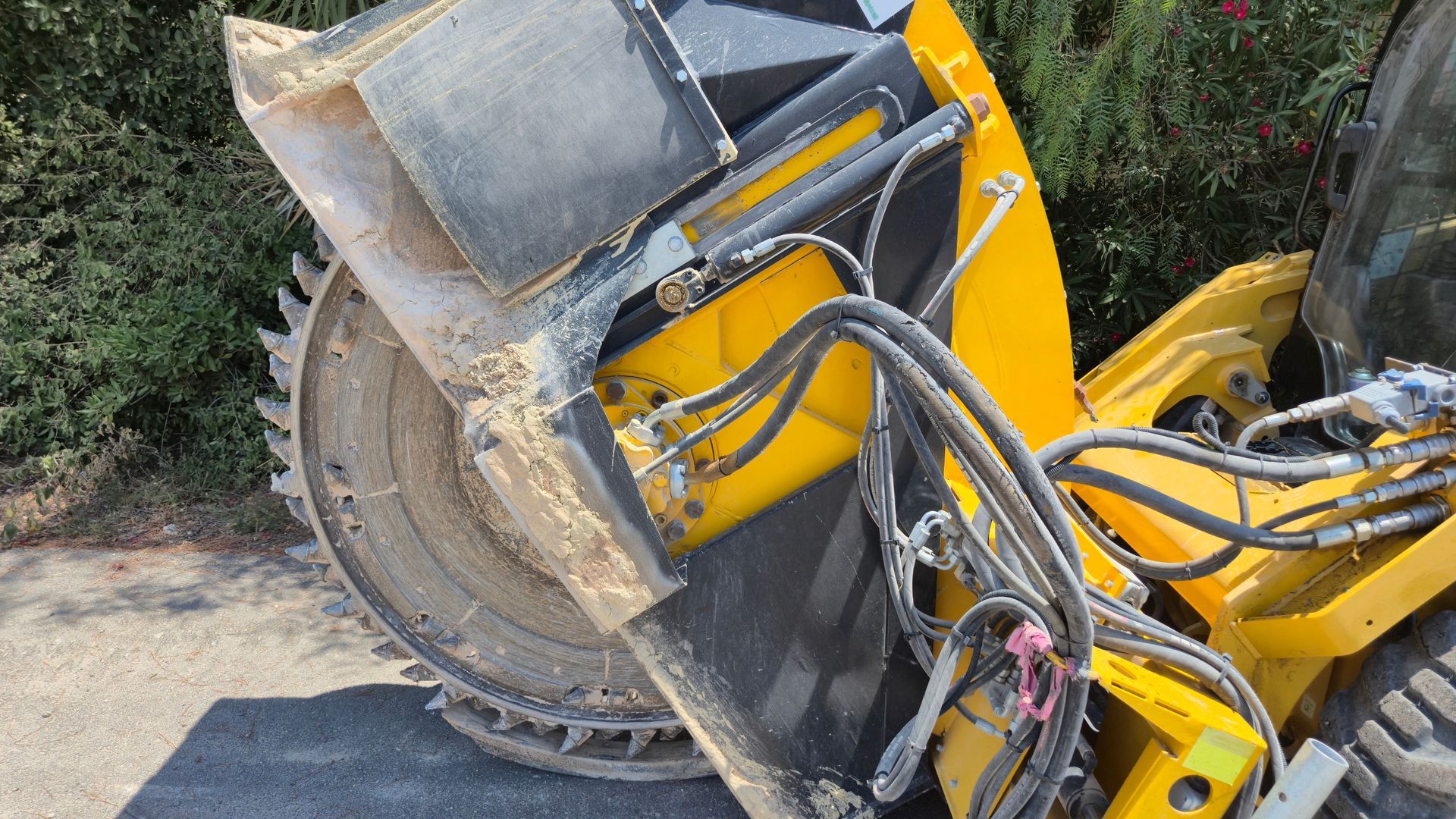
The process begins with verifying the location and dimensions from the site plan or permit drawings, then marking cut lines on the existing pavement and curbing. A walk-behind or ride-on concrete saw equipped with a diamond blade makes the cuts, and the removed sections are broken out and hauled away, leaving a clean edge ready for the new driveway pour or asphalt tie-in.
Once the cutting is complete, you will see a straight, clean transition line that allows the new driveway to slope correctly into the road, with curb cuts that match the required width and radius. Elite Concrete Cutting LLC coordinates with grading and paving crews to ensure the cut edges are protected and ready for the next phase of construction.
The service includes sawing and removing the specified pavement sections, but does not include pouring the new approach slab, asphalt paving, or final grading. If the project involves modifying storm drains or adjusting curb inlets, those tasks are handled by separate trades and must be coordinated in advance.
What Contractors and Developers Ask About Approach Cutting
Understanding the technical and regulatory requirements for driveway approach cutting helps keep projects on schedule and avoids inspection failures.
What determines the width and location of an approach cut?
Local ordinances and roadway standards specify minimum and maximum widths, setback from intersections, and curb radius, all of which must be verified before cutting begins.
How deep are approach cuts typically made?
Cuts extend through the full depth of the curb and pavement, which may range from six to ten inches depending on the roadway construction and whether the curb is integral or separate.
Why is precision important in driveway approach work?
Misaligned cuts can cause drainage problems, create trip hazards, or result in costly rework if the new driveway does not meet the road grade or fails municipal inspection.
When should approach cutting happen during construction?
Cutting is typically scheduled after rough grading is complete but before the final driveway pour, allowing time for base preparation and utility adjustments without damaging the new pavement.
How do weather conditions in Indianapolis affect scheduling?
Wet or frozen pavement can interfere with saw operation and make debris removal difficult, so cutting is often planned during dry periods to ensure clean, accurate results and safe site access.
For subdivision developments or commercial projects that require multiple approach cuts, Elite Concrete Cutting LLC can stage the work to align with paving schedules and municipal inspections.